
The material is available only to
POZIRK+Broad money supply projected to increase by between 14 and 16 percent next year
The material is available only to
POZIRK+
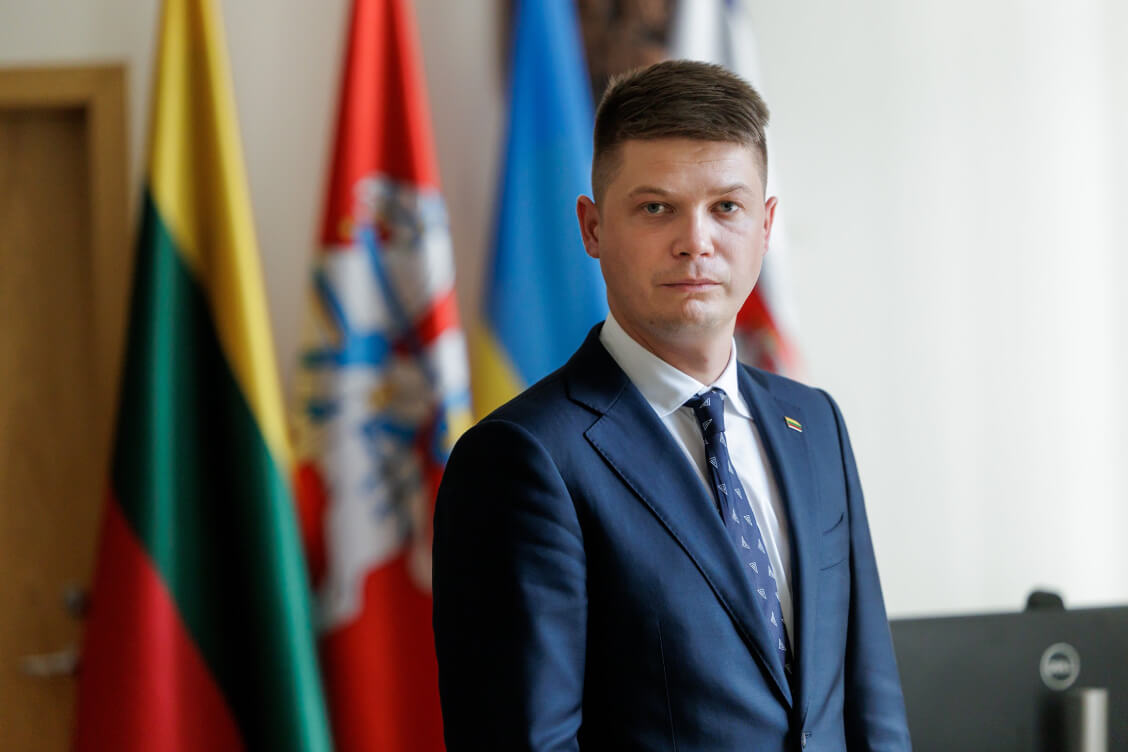
October 19, Pozirk. Lithuania’s Interior Minister Martynas Katelynas has voiced outrage over the impossibility of expelling some Belarusians recognized as a national security threat, including politician Volha Karač, and pledged to take action against them.
According to the State Security Department, Karač poses a threat to national security, and she cooperated with Russian intelligence agencies between 2015 and 2019, Katelynas wrote on Facebook on October 19. In 2024, Lithuania’s Supreme Administrative Court concluded that her “security threat” designation is justified and based on facts, he added.
Five Belarusians have been denied asylum in Lithuania over the last two years and labeled as a threat to national security, but their deportation to Belarus, a country where they may face torture or inhumane and degrading treatment, is impossible under international law and Lithuanian national regulations, Katelynas said, adding that Alaksandar Łukašenka’s regime persecutes and imprisons its opponents.
At present Lithuania grants residence permits to such people and allows them to work in its territory, Katelynas said, describing the situation as “absurd.”
Katelynas stressed that “Lithuania is not a place where you may enjoy legal protection and simultaneously work against our state.” He warned that the interior ministry’s migration department would check whether Belarusians designated as a “security threat” are citizens of other countries and whether they can safely leave for a third country.
Katelynas said that the ministry would also evaluate whether Lithuania possesses the necessary legal tools to restrict the activities of such individuals and their organizations, and that he would initiate legislative amendments if the tools are missing.
On September 3, Belarus’ interior ministry named Volha Karač among the individuals associated with a civil society group called Nash Dom (Our Home), along with Siarhiej Sparyš, Viačasłaŭ Andrejeŭ, Kaciaryna Maminava, and Viktoryja Łajkova.
The ministry did not publish any names after labeling Nash Dom as “extremist” in May 2022, although it is widely known to be led by Karač, a Vilnius-based politician who is currently 47 years of age.
In September 2024, Belarusian authorities added Karač to their list of “persons involved in terrorist activities.” In July 2024, she was sentenced to 12 years in prison without being present at her trial.
Siarhiej Sparyš, currently 40, was released from prison and deported to Lithuania in September 2025 along with dozens of other political prisoners in a deal between Minsk and Washington.
Nash Dom was founded in Viciebsk in 2005 by Volha Karač for the declared purpose of promoting civil rights and supporting the victims of politically motivated persecution. The organization moved to Lithuania amid a crackdown on Łukašenka’s opponents following the 2020 post-election protests.