The material is available only to
POZIRK+Vilnius confirms imprisonment of Lithuanian man in Belarus
The material is available only to
POZIRK+
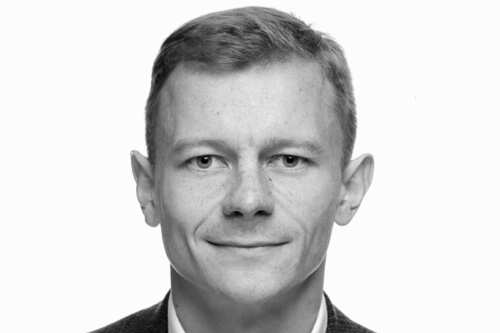
June 19, Pozirk. Belarus’ relations with Western countries have dead-ended, said Pavieł Śluńkin, a visiting fellow of the European Council on Foreign Relations, at an online presentation of the Belarus Change Tracker report.
The European Union and the United States “are not ready to make concessions to the regime in Minsk to unfreeze ties. At the same time, they are extremely cautious in their actions and fear of provoking further aggravation of the military-political situation in the region because of [Alaksandar] Łukašenka’s destructive actions.”
Śluńkin, a former Belarusian diplomat, said that Western countries have resigned themselves to the lack of tools to change the Belarusian government’s behavior.”
This “cements the current state of affairs, leaving the country exposed to exclusive political, military, economic and information dominance of Russia,” he said.
Although “a trend towards a reduction in the Russian military presence” in Belarus has been recorded for the first time in two years, “the integration track with Russia brings Belarusian laws closer to Russian ones, narrowing the existing legal, regulatory and social differences between the countries,” the analyst continued.
He pointed out that the Belarusian foreign ministry has expanded “the geography of Łukašenka’s international contacts, reducing the gap on [opposition leader] Śviatłana Cichanoŭskaja.”
According to Śluńkin, lobbying for sanctions is no longer a foreign policy priority for the Belarusian opposition, which is focused on “maintaining channels of communication with Belarusian society, the need to issue visas and promote mobility and prevent the isolation of Belarusians.”
A team of Belarusian experts prepares Belarus Change Tracker every three months to record and analyze macrotrends.
Besides Śluńkin, the team includes Sense Analytics founder Arciom Šrajbman, BEROC academic director Leŭ Lvoŭski, Center for New Ideas director Lesia Rudnik, independent sociologist Filip Bikanaŭ, and Belarusian Academy program director Hiennadź Koršunaŭ.