The material is available only to
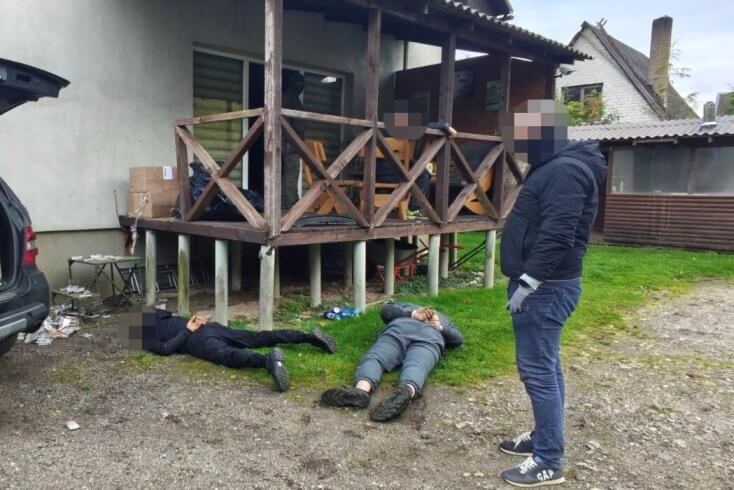
POZIRK+Lithuania arrests six over cigarette smuggling from Belarus
The material is available only to
POZIRK+
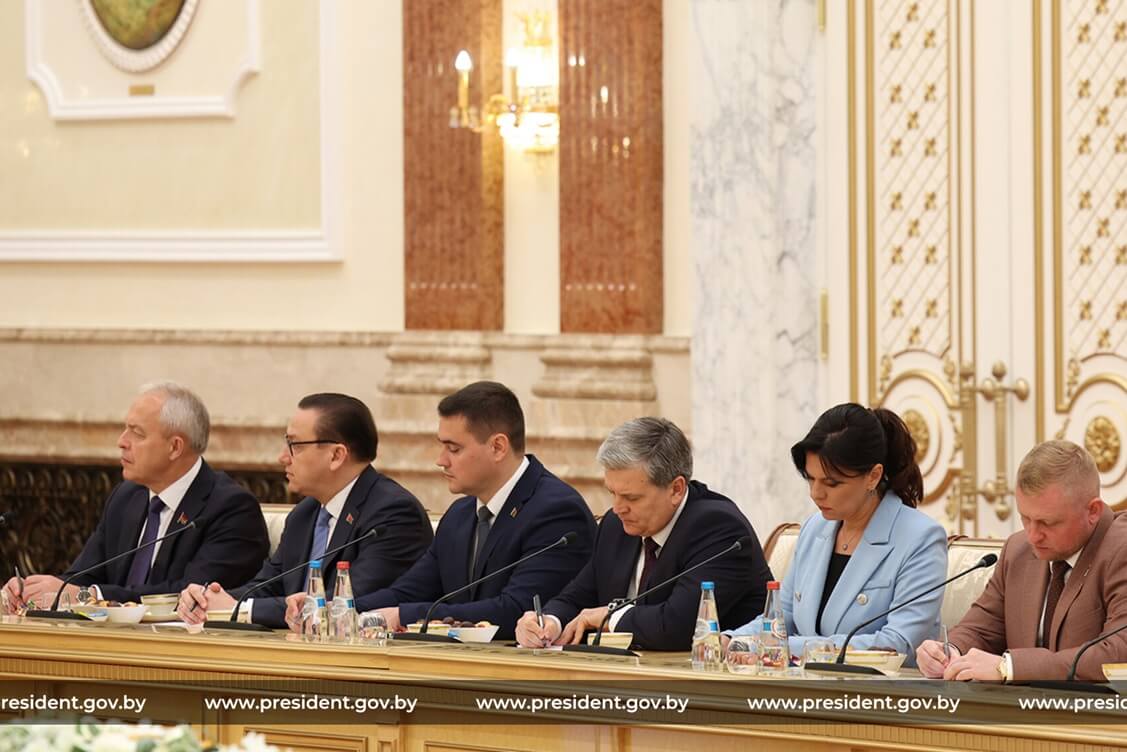
September 17, Pozirk. Propaganda workers, historians and experts should revise approaches to the 1921-1939 period when western Belarus was part of the Second Polish Republic, Alaksandar Łukašenka has said.
In today’s meeting with propagandists and historians, timed to coincide with People’s Unity Day that marks the anniversary of the Soviet invasion of Poland in 1939, he suggested focusing on Polish oppression of Belarusians as a national minority.
“Our people should understand that while ethnic Poland prospered and flourished, Belarusians were robbed of their resources. Peasants toiled to exhaustion for mere pennies, living in poverty and under constant fear of the whip — a whip that struck anyone who dared to fight for their faith, language or culture,” his press office quoted him as saying.
The remarks come amid tensions between Minsk and Warsaw over irregular migration from Belarus to the EU, Minsk’s refusal to release Polish journalist Andrzej Poczobut, the recent arrest of a Polish monk on spying charges and Poland’s closure of its border with Belarus in connection with Belarusian-Russian military maneuvers.
History lessons should stress that people living in western Belarus in the interwar period were deprived of the right to study in their native language, while Polish prisons “were overcrowded with Belarusian patriots, that the nation was being destroyed both spiritually and physically in the cruelest way,” Łukašenka stressed.
What he did not mention is oppression of Belarusians under his rule. Less than 9 percent of school students have the opportunity to receive instruction in Belarusian in present-day Belarus, while hundreds of his political opponents are imprisoned for questioning his victory in the 2020 presidential election.
“If we manage to implant our views in children from a young age, then we’ve succeeded. It will be difficult to persuade them to think otherwise later,” Łukašenka noted.
The Belarusian ruler established People’s Unity Day as a public holiday four years ago. It marks the anniversary of the Soviet invasion of Poland in 1939 under the Molotov-Ribbentrop Pact, which resulted in the unification of western Belarus with the Byelorussian Soviet Socialist Republic. Those territories had previously been ceded to Poland under the 1921 Riga Peace Treaty, signed after the Soviets were defeated by Poland.
The holiday remains controversial as both Warsaw and Belarusian pro-democracy forces criticize it. Government agencies and state-run media in Belarus typically launch a propaganda campaigns around the date.
Belarusian ideology officials have issued new guidelines promoting anti-Polish propaganda on the occasion of People’s Unity Day. Propaganda officers are expected to hold meetings with workers, students and intellectuals on September 18 to reinforce anti-Polish messages.
A manual prepared for propaganda officers alleges that between 1921 and 1939—when western Belarusian territories were part of the Second Polish Republic—Poles treated horses and cows better than national minorities. “Those who have traveled to modern Poland to earn money by picking apples, strawberries or doing manual labor on construction sites or farms know that attitudes have changed little over the past hundred years,” it claims.
The document also denigrates the Pole’s Card (Karta Polaka)—a document confirming ties to the Polish nation—likening it to “a brand used to mark livestock.” According to the manual: “It is a mark that owners put on their property, even future property, but not on themselves, as there is no need.”