The material is available only to
POZIRK+Coordination Council elects secretary for delegation to CoE regional body
The material is available only to
POZIRK+
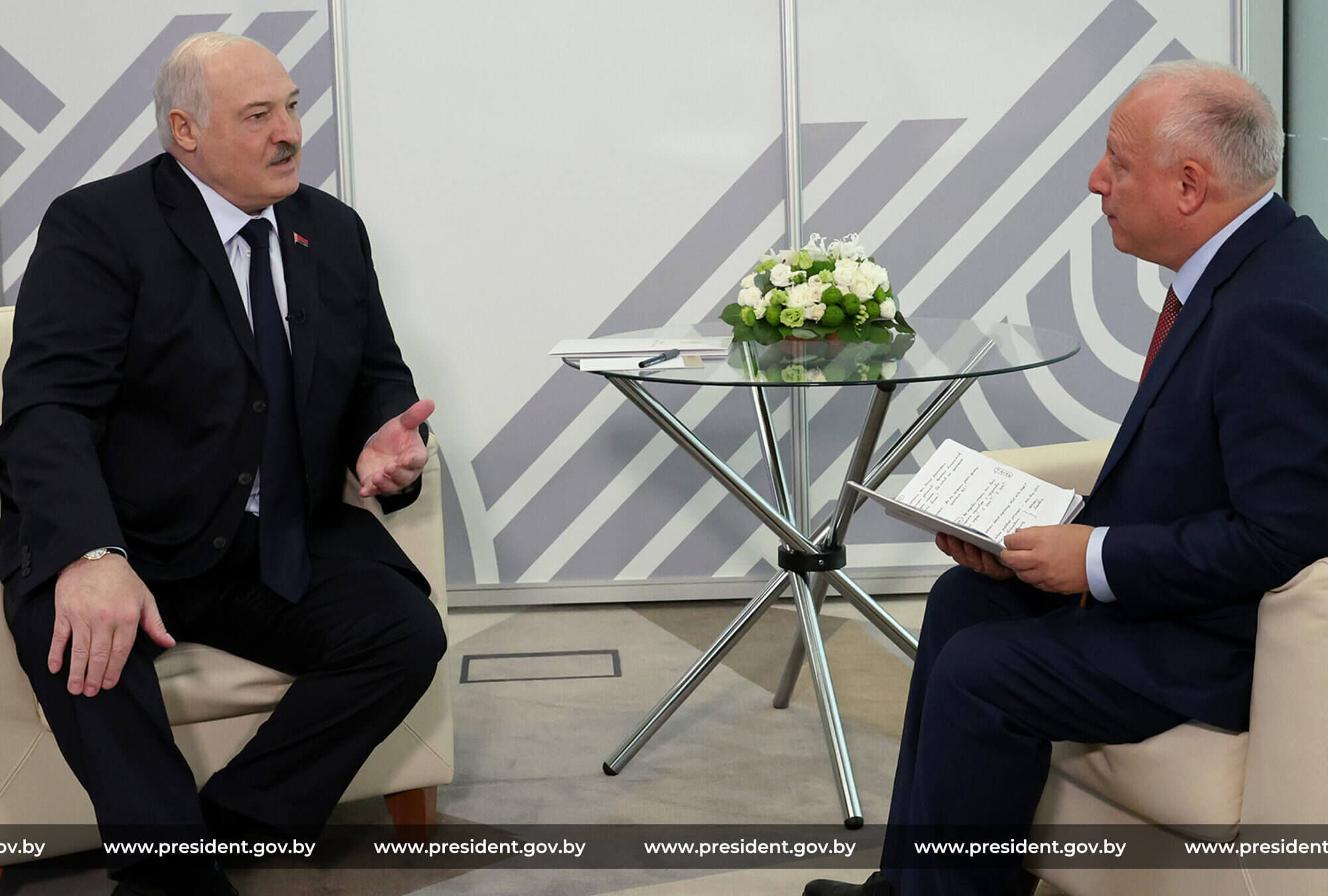
March 30, Pozirk. A judge of the Leninski District Court in Mahiloŭ has branded the BBC website “extremist” content. BBC journalist Steve Rosenberg has repeatedly interviewed Alaksandar Łukašenka since 2020, asking him questions that seemed to annoy the Belarusian strongman.
According to the information ministry, the website of BBC News Русская Служба (BBC News Russian), the BBC’s Russian-language division, has been placed on the ministry’s “extremist” list. However, instead of bbc.cоm/Russian, which is run by BBC News Russian, the updated list features the BBC’s international website bbc.com.
Since 2020, Alaksandar Łukašenka has given several interviews to Rosenberg, the Moscow-based Russia editor for BBC News. In November 2021, he had a long conversation with the Belarusian ruler in the Palace of Independence in Minsk, pressing him on the official results of the 2020 presidential election and authorities’ crackdown on protesters.
In October 2024, on the sidelines of a BRICS summit in Russia’s Kazan, Łukašenka told Rosenberg that he was ready to consider pardon applications by his imprisoned opponents, including Maryja Kaleśnikava. In January 2025, Rosenberg engaged in a testy exchange with Łukašenka during a marathon post-election press conference. Łukašenka’s remarks were quoted extensively by Belarusian state media as well as his press office.
The government introduced the “extremist content” designation in the wake of the 2020 mass protests against election fraud to punish Belarusians for following critical media outlets and social media accounts.
Belarusian law enforcement officers randomly check people’s phones to see who they are following. Those found to possess or share links to banned media and accounts are punished by fines or jail sentences of up to 15 days under Article 19.11 of the Administrative Offenses Code. It does not carry any punishment for those producing banned content.
Police forced some of those arrested to confess to following “extremist” content before a video camera and then posted forced confessions on Telegram accounts to intimidate the public. State television journalists have been involved in recording forced confessions.
The extremist content list contains thousands of entries, so it is actually hard for people to follow it and delete blacklisted content from their devices.