The material is available only to
POZIRK+Turkish flights land in Minsk amid Ukrainian drone attacks
The material is available only to
POZIRK+
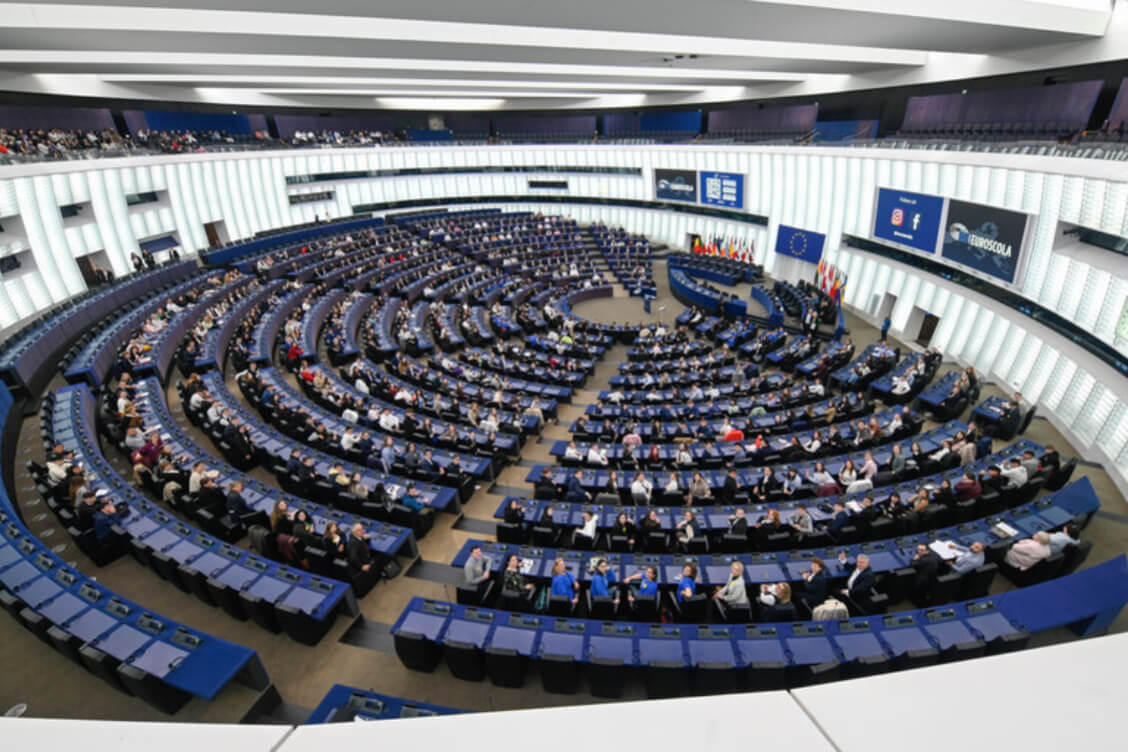
April 27, Pozirk. The European Parliament has urged the international community to recognize what it called the deployment of nuclear weapons in Belarus as a collective security threat.
In a statement issued on the occasion of the 40th anniversary of the Chernobyl nuclear accident, the European Parliament says that the world should “strengthen accountability for the concealment of radiation risks and for attacks on nuclear facilities, particularly in the context of Russia’s illegal war of aggression against Ukraine.” The international community “should establish an independent and publicly accessible global radiological registry and recognise the deployment of nuclear weapons in Belarus as a threat to collective security,” the statement says.
The European Parliament acknowledges that “Belarus bore the heaviest burden” of the aftermath of the Chernobyl accident, “with nearly a quarter of its territory contaminated.”
According to MEPs, that Belarusian authorities under Alaksandar Łukašenka have “systematically downplayed the true scale of the catastrophe, restricted public access to medical statistics, and, without proper scientific justification, reclassified contaminated territories as ‘clean’ while resuming agricultural production on these lands.” They warn that “such practices pose serious risks to the health of current and future generations” and sound alarm over “ongoing risks – including for citizens of European Union Member States – associated with the Astravets [Astraviec] Nuclear Power Plant.”
The European Parliament calls on Belarusian authorities to “ensure full transparency and independent monitoring, and to halt the use and resettlement of contaminated territories, while restoring protections for affected populations.”
Alaksandar Łukašenka, during a tour of the southern Naroŭla district, which was contaminated as a result of the 1986 Chernobyl nuclear accident, renewed his push to bring more affected land back into agricultural use. “We must reclaim this land whatever it costs. We must return to the land we had in Soviet times. And we can do it,” he said.