The material is available only to
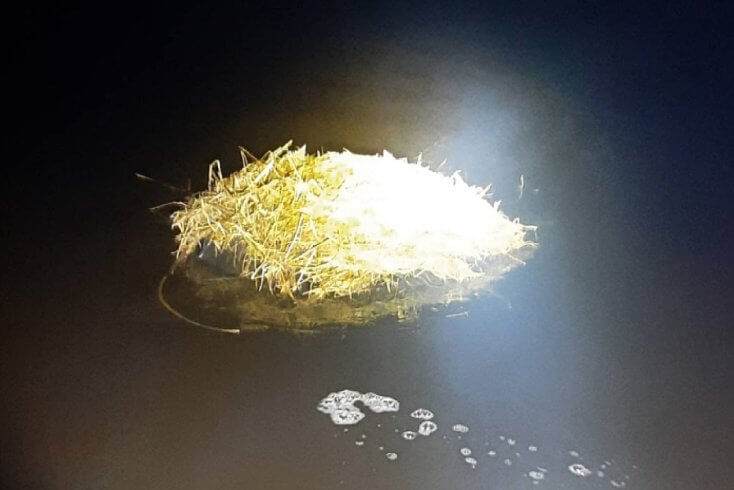
POZIRK+Latvian border guards recover raft with Belarusian cigarettes from Daugava River
The material is available only to
POZIRK+
February 22, BPN. Minsk City Department of the Investigative Committee opened criminal cases under Article 191, part 2 (obstructing the right to participate in a referendum) and Article 349, part 1 (unauthorized access to electronic information) of the Criminal Code, the press service of the Investigative Committee reported.
It notes that on February 21, Belarusian citizens started receiving SMS-messages “about the postponement of the republican referendum due to the epidemiological situation.”
“The Investigative Committee has established that unknown persons used IP-addresses of various foreign countries to gain unauthorized access to the servers of several organizations, deliberately distributing false messages to thousands of citizens on their behalf,” the Investigative Committee reported. “Law enforcers are conducting investigative actions and other activities to detect digital traces and to identify the persons involved in the crimes.”
The Investigative Committee previously reported on several criminal cases initiated against citizens who allegedly tried to disrupt the referendum.
On February 11, it announced the investigation of a criminal case against a group of citizens who committed “various acts of an extremist nature.” Among other things, they were charged with “preventing citizens from exercising their right to participate in a republican referendum.”
“Numerous leaflets with appeals to disrupt the referendum by tampering with the ballots were seized during searches at the homes of the accused,” the Investigative Committee noted. On February 20, in an interview on ONT TV channel, Siarhiej Kabakovič, the head of the information and public relations department of the Investigative Committee, announced the detention of about ten coordinators and perpetrators of threats to members of election commissions.
In turn, Kanstancin Byčak, deputy head of the KGB investigation department, declared that the actions “aimed at disrupting the referendum” and “impeding the right to participate in governance and public life” represented “a grave crime and a manifestation of extremism.” He claimed that the KGB knew all the customers, organizers, performers, coordinators and sponsors of “criminal acts.”
Early voting at the constitutional referendum in Belarus began on February 22. It will last until February 26. The main voting day is February 27. The only referendum question to be answered: “Do you accept the amendments and additions to the Constitution of the Republic of Belarus?”
Key proposed amendments include legitimisation of the All-Belarusian People’s Assembly, a restoration of the rule limiting the presidency by one person to a maximum of two terms, introduction of immunity for former presidents, and monopolization of the state ideology.
Authorization
Exit profile