The material is available only to
POZIRK+Lithuanian border guard under investigation into cigarette smuggling from Belarus
The material is available only to
POZIRK+
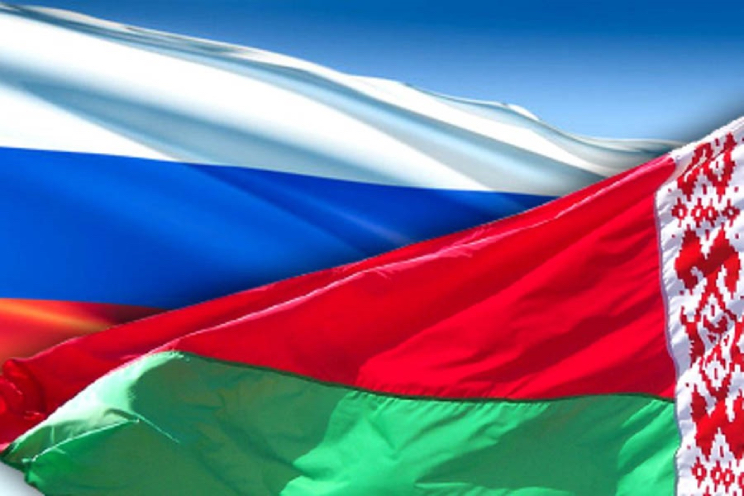
June 20, Pozirk. The Belarusian and Russian foreign ministries have released a 1,828-page joint report “Human Rights Situation in Certain Countries,” accusing democratic nations of infringing on citizens’ rights and freedoms.
The paper contains accusations of Russophobia, Nazism, censorship and historical revisionism typical of Kremlin propaganda.
The report posted on the Belarusian foreign ministry’s website covers 43 countries, including all 27 EU member states, the United Kingdom, the United States, Australia, Canada and Japan.
Most of the attention is paid to the countries bordering Belarus and Russia.
According to the document, the human rights situation in Latvia “remains unfavorable” as “the nationally-oriented ruling coalition” continues to “pursue a course toward building a mono-ethnic model of the state, while constructing a parallel reality both in everyday life and in the country’s historical past.”
It claims that “the Latvian authorities deliberately distort facts and interpret history in order to justify their own disreputable actions. This approach is used everywhere to justify Latvia’s blasphemous glorification of Latvian SS legionnaires, Nazi collaborators, and to justify the open struggle against the memory of the Red Army soldiers who liberated Latvia from Nazism.”
“A significant part of the country’s Russian-speaking population is in a disadvantaged position and is regarded by the authorities solely as an alien and destabilizing element,” the document says.
It adds that the human rights situation in Lithuania, “already unfavourable as a whole, continues to steadily go down.”
“The country remains to be distinct in numerous restrictions to free opinions, discrimination of national minorities, primarily in the area of education, manifestations of xenophobia and antisemitism, persecution for policy and other reasons as well as glorification of Nazism and rabid Russophobia,” it says.
It attributes Lithuania’s alleged economic downturn to “the efforts of the Lithuanian authorities to intensify the Russophobe policy and, in pursuing this aim, to take steps that contradict the interests of the Lithuanian state and its citizens.”
“Official Vilnius openly pursues a policy of falsifying the history of World War II and glorifies fascist collaborators, treating them as national heroes,” it continues.
It also calls the situation in Poland “alarming.” “The human rights community reports numerous violations in different spheres of public life,” it says. “Current Polish authorities make all possible efforts to falsify the history of World War II, blindly believing that this will contribute to improving the image of the country.”
The longest section of the report is dedicated to Ukraine.
It reiterates the Kremlin’s long-standing claim that in 2014, “nationalists seized power in Kyiv as a result of an anti-constitutional armed coup d’état orchestrated by the West.” Since then, “violations of fundamental human rights and freedoms in Ukraine have become widespread and systemic,” it says.
Like the sections on the Baltic States and Poland, this section alleges aggressive neo-Nazi propaganda and historical revisionism.
The report does not criticize the world’s leading human rights violators, such as China, North Korea and Saudi Arabia.
Two months ago, Freedom House issued its “Nations in Transit” report calling Belarus a “hardened dictatorship” and a “consolidated authoritarian regime.”