The material is available only to
POZIRK+Poverty: Lithuania calls to action, Belarus makes numbers shine
The material is available only to
POZIRK+
Potash, Belarus’ key export commodity, is not only a bargaining chip for Minsk in negotiations with Washington. Russia is seeking to seize the initiative to include Belarusian fertilizers into its own arrangements with Washington.

As Washington and the Kremlin negotiate a possible settlement to the war in Ukraine, the United States is offering Moscow economic incentives, ranging from unfreezing Russian assets to restoring certain business ties.
Belarusian potash is reportedly among the proposals on the table. According to media reports, US negotiators have discussed with Moscow the possibility of resuming its exports.
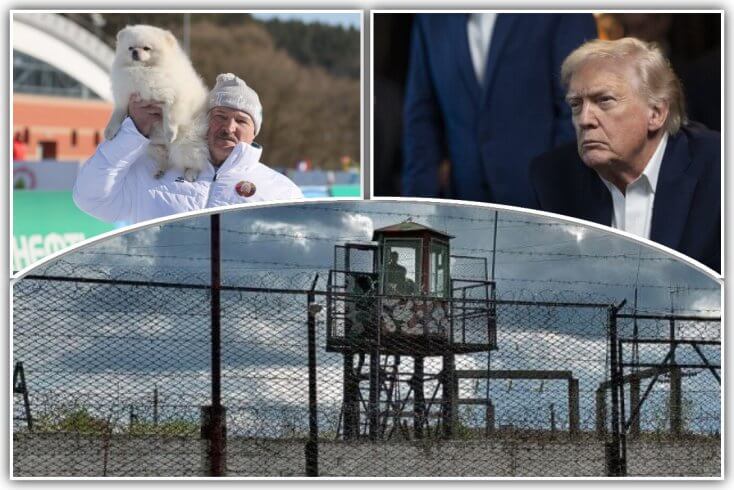
Until recently, potash was part of separate negotiations between Minsk and Washington, in which Alaksandar Łukašenka hoped to exchange political concessions for sanctions relief.
Belarus has relatively few major bargaining chips left to offer the outside world. Potash and petroleum products are perhaps the two most important, but there is a fundamental difference between them.
Belarusian oil refining depends on Russian crude, and its products remain in demand in Russia amid Ukrainian attacks on the country’s energy infrastructure. Potash is a different story. Russia does not need Belarusian supplies: it has major fertilizer producers of its own, which also compete with Biełaruśkalij on the global market. Belarusian potash, however, is in demand far beyond the region. Its main value to Minsk has therefore always lain in its ability to access international markets independently and earn foreign currency.
Sanctions have significantly weakened this bargaining chip. According to the US Geological Survey (USGS), Belarus accounted for about 16 percent of global potash fertilizer production in 2015, compared with an estimated 12 percent in 2025.
The problem goes beyond losing market share. After the traditional route through Klaipėda was closed over allegations of human rights abuses and Belarus’ support for Russia’s war against Ukraine, Belarus redirected its exports along longer and more expensive routes through Russia. It now competes with Russian companies for transportation capacity and customers. This competition has forced Belarusian and Russian producers to lower prices. Even a recovery in sales volumes does not necessarily mean a return to previous profit margins or greater freedom of maneuver.
Potash remains a strong bargaining chip, but its value in negotiations is no longer what it was a decade ago. Treating it like family silver and holding on to it until better times, without taking steps to restore export capacity, would be a mistake.
Recognizing this, the Belarusian authorities eventually made potash one of the key issues in their negotiations with Washington. The interests of the two sides could align on this issue. For US President Donald Trump, Belarusian fertilizers offer a way not only to secure lower prices for American farmers but also to take another jab at Canada, with which his administration has had a difficult relationship. Canada accounts for about 80 percent of US potash fertilizer imports, while Belarus also had a presence in the American market before sanctions were imposed.
Returning to the US market is now one of the few tangible economic offers Minsk can make to Washington. Logistics remain a problem: the traditional route through Lithuania’s Klaipėda port is closed, so shipments must go through Russian ports. Setting these complications aside, potash could have formed the basis of a mutually beneficial deal between Minsk and Washington. However, the commodity has now become part of a much broader bargaining process between the United States and the Kremlin.
For Moscow, this turn of events could be particularly significant. Russian influence across the post-Soviet space is gradually waning, both in its relations with the West and in its immediate neighborhood. Central Asian countries are expanding their economic ties with China while attracting increasing attention from the United States and the European Union. In the Caucasus, Armenia and Azerbaijan are pursuing increasingly independent policies, while Türkiye, Iran and other players are having a greater impact on the regional balance of power.
Against this backdrop, Belarus remains one of the Kremlin’s last genuinely close allies. Yet Łukašenka is also trying to expand his room for foreign policy maneuver. Direct dialogue with the Trump administration gives him an opportunity to negotiate with Washington without necessarily coordinating every move with Moscow. The Kremlin, for its turn, has an interest in bringing Belarusian-American negotiations into a broader Russian-American track. In this scenario, Moscow could do more than simply obstruct agreements between Minsk and Washington: it could make their outcome dependent on its own relationship with the US administration.
This arrangement offers clear benefits to the Kremlin. One important factor is the transportation of Belarusian potash. As long as European sanctions remain in place, Belarusian potash can reach the US only through Russia. Thus, even if direct trade resumes, Minsk will remain dependent on Russian transit. Meanwhile, a potential rapprochement between Minsk and the European Union and the restoration of western export routes would give Belarus considerably greater independence, which is hardly in the Kremlin’s long-term interests.
Moscow therefore stands to benefit from restoring Belarusian potash’s access to the US market while retaining control over its logistics.
The Kremlin could easily present this as a diplomatic success to Russian audiences: Moscow is helping an ally restore its exports and secure sanctions relief. In reality, however, the situation is an intriguing game of political economy. Minsk is trying to use potash to expand its foreign policy freedom, while the Kremlin is seeking to seize the initiative and fold the issue into its own arrangements with Washington, thereby tightening its grip on Belarus’ political and economic agenda even further.