The material is available only to
POZIRK+Two Belarusians accused of arson attack in Romania
The material is available only to
POZIRK+
December 30, Pozirk. The Central Election Commission (CEC) registered the candidates for the January election faster than in the previous presidential elections, giving them the certificates the day after the registration process started, the Human Rights Defenders for Free Elections campaign has said in a report.
As usual, the verification of ballot-access signatures was carried out non-transparently and too hastily, which “raises reasonable doubts about the validity of the announced numbers,” the activists said.
The record-high number of 2.5 million signatures allegedly collected for Alaksandar Łukašenka and the wide gap between him and the other candidates (between 112,000 and 134,000 signatures) is a ploy to sell the claim that the incumbent enjoys broad public support.
Łukašenka’s campaign also has made extensive use of pro-government media, especially district newspapers.
The signatures were collected in an atmosphere of intimidation and coercion, the human rights activists noted.
“The process of collecting signatures excluded the equality of candidates and was aimed at creating the image of support for only one candidate, A. Łukašenka, with the traditional use of administrative resources and coercion of voters to sign for his nomination as a candidate,” the report reads.
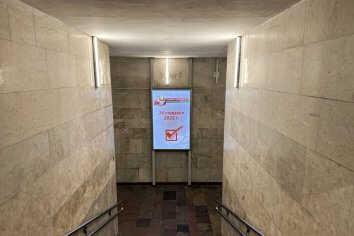
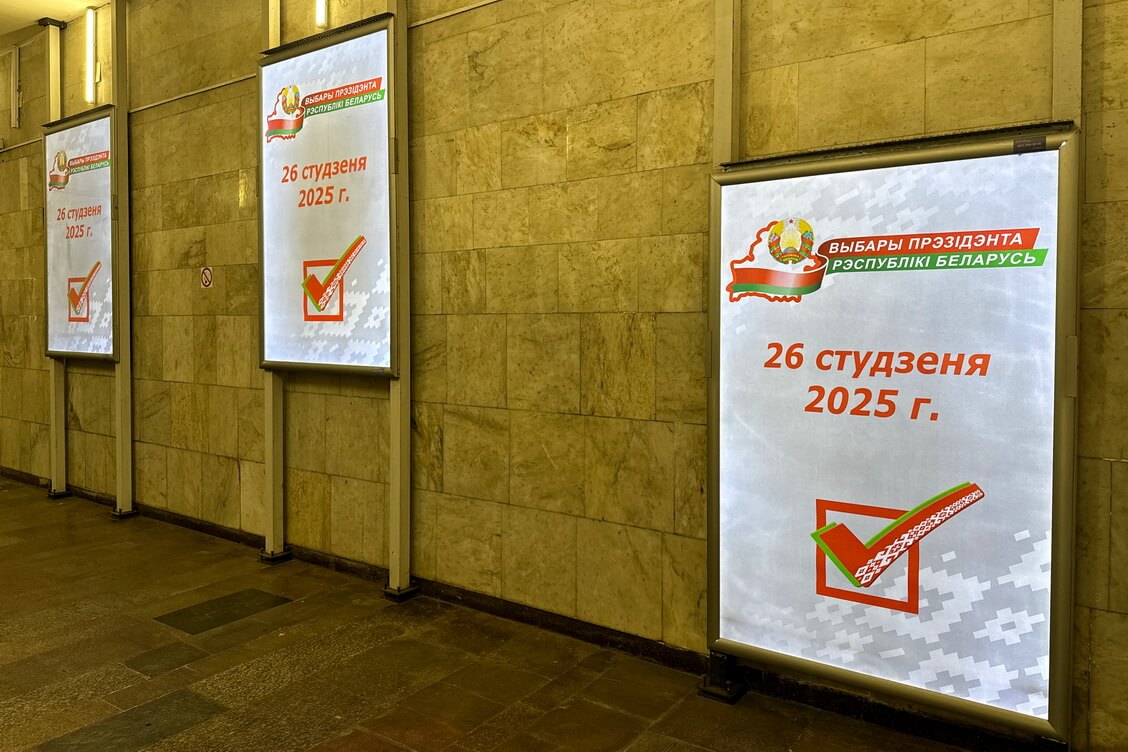
Belarus will hold its seventh presidential election from January 21 to 26, with the whole election cycle limited to just three months.
The current campaign is taking place in a purged political landscape amid a new wave of crackdown on regime critics.
Belarus has not held a single free and fair election since 1996 by the standards of the Organization for Security and Cooperation in Europe. The government stopped inviting OSCE monitors after the 2020 disputed presidential election marred by fraud and police brutality against peaceful protesters.
The Human Rights Defenders for Free Elections monitoring campaign by the Viasna Human Rights Center and Belarusian Helsinki Committee is working remotely over security threats for independent observers and ongoing crackdown on civil society.