The material is available only to
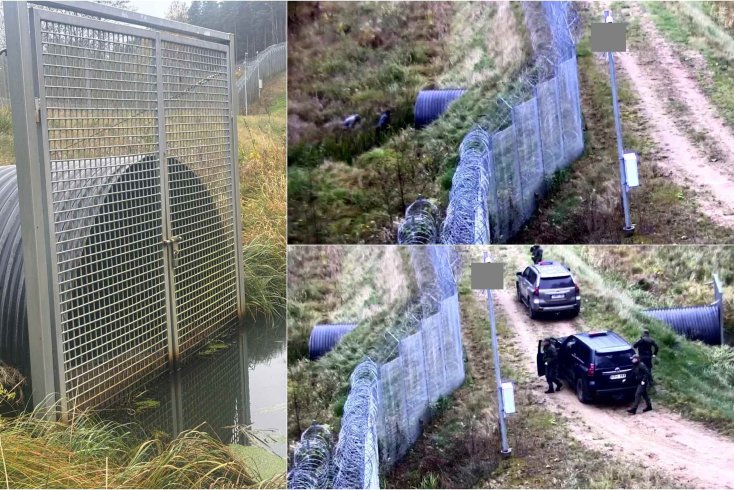
POZIRK+Two foreigners attempt irregular Belarus-Lithuania crossing through culvert
The material is available only to
POZIRK+
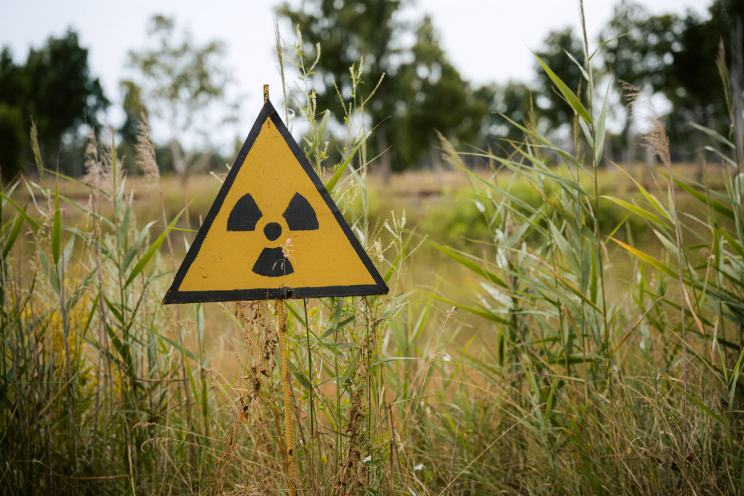
April 25, Pozirk. One day before the 39th anniversary of the Chernobyl nuclear accident, Alaksandar Łukašenka has urged his officials to step up efforts to decontaminate affected areas and take the land back into agricultural production.
“What have we been doing during these 30 years if 900,000 [people] still live in the contaminated territory?” he questioned officials at a government conference in Minsk.
He noted that no one should live in the contaminated territory.
Anatol Sivak, a deputy prime minister, said that the government had spent about $20 billion for five programs to mitigate the disaster’s consequences and planned to spend additional $2.5 billion in the next five years.
More than 930,000 people, including 181,000 children, lived in 1,859 settlements on January 1 in Belarus’ contaminated areas, Kaciaryna Šmialova, an official with the Ministry of Emergency Management, has told journalists on April 22.
Thirty-nine years after the Chernobyl disaster, 60 percent of cesium-137 and 62 percent of strontium-90 have decayed, she said, noting that about 25.000 square kilometers or 12 percent of Belarus, remained contaminated.
Belarus can reclaim most of the contaminated areas, except for the territories of the Palesse State Radiation and Ecological Reserve, which will remain a scientific test ground, the official said.
The No. 4 reactor exploded at the Chernobyl Nuclear Power Plant in the early hours of April 26, 1986.
Although the plant is located in Ukraine, about 70 percent of the radioactive fallout landed in Belarus, heavily contaminating one-fourth of the country, one-fifth of its agricultural land and affecting at least 7 million people.
More like this: Nearly 40 years after nuclear disaster, radioactive substances still dangerous, scientist says