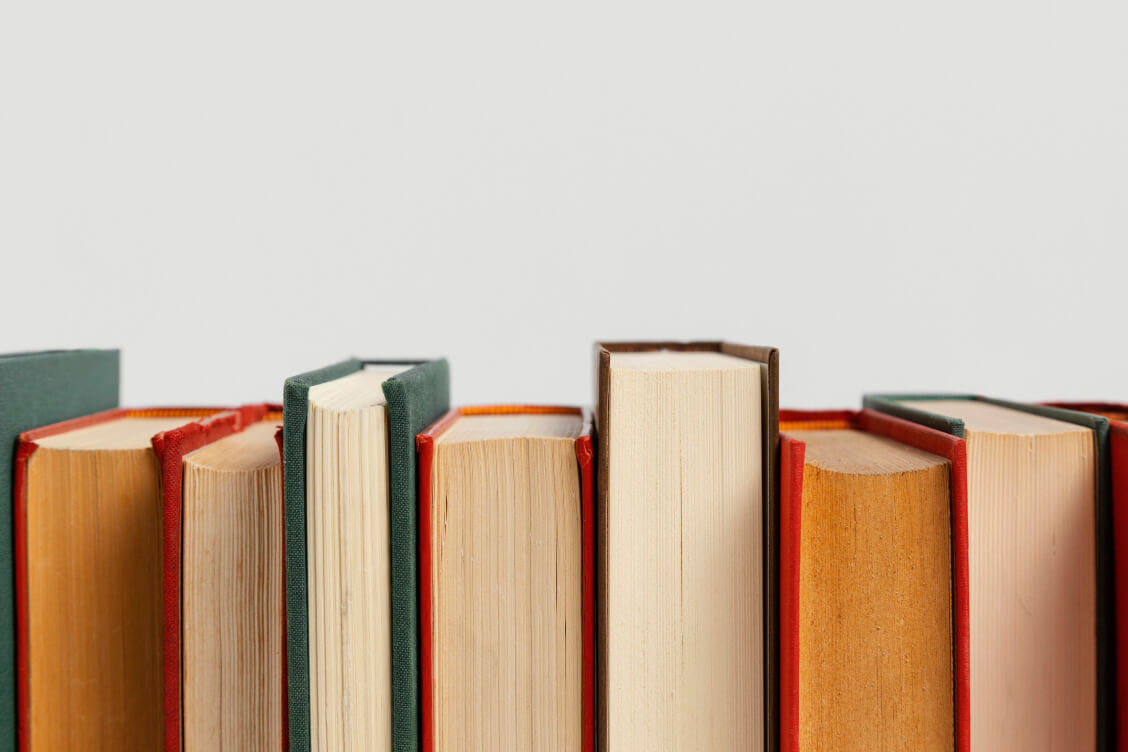

Information ministry demands that sellers remove literature “harmful to national interests”

November 13, Pozirk. The information ministry has instructed book and print media traders to remove items “harmful to national interests” from sale.
The ministry defines “harmful” as “print publications distorting historical truth and justice, promoting untraditional sexual relations, religious intolerance, violence, cruelty, pornography, inciting enmity and hatred, promoting subcultures untraditional for Belarusian society, as well as periodicals on sexual education of children that can have a negative effect on their physical and psychological development or distort the idea of true family values.”
The order itself suggests that so-called “harmful” literature still reaches sales outlets circumventing the all-pervasive government network of censorship councils established in the last few years.
Since February 2021, former Information Minister Lilija Ananič has headed a national commission that advises to prosecutors what products should be branded as extremist content and banned from distribution.
Based on the commission’s advice, courts have banned works of literature, music and art, including poems by Belarusian classic Vincent Dunin-Marcynkievič, a novel by contemporary writer Alhierd Baharevič, songs by the punk rockers Daj Darohu! and other bands, an edition of selected works by Belarusian National Republic Prime Minister Vacłaŭ Łastoŭski and three books by Ihar Mielnikaŭ, a historian sentenced on September 13 to four years in prison for an interview with Euroradio.
The National Council on Historical Policy last month vowed to purge book stores and education establishments of extremist literature. The council is chaired by Dźmitryj Krutoj, head of the Alaksandar Łukašenka administration.
In October, Minsk has canceled “My Husband’s Mistresses” at the request of the Public Morality Council.
The Belarusian Exarchate of the Russian Orthodox Church and the pro-government Union of Writers of Belarus founded the council in 2009 “to preserve and strengthen society’s moral values and traditions, which are based on the centuries-old creative, spiritual and cultural experience of the Belarusian people.”
Also read: Historical policy council concerned about “extremist” literature
- Economy, SocietyPoland arrests two Lithuanians suspected of smuggling cigarettes from BelarusThe material is available only to POZIRK+
- EconomyBelarus outperforms Russia-led economic bloc members on two key indicators in January–MayThe material is available only to POZIRK+
- Politics, SecurityUkraine reports sporadic use of relay systems in Belarus for Russian drone attacksThe material is available only to POZIRK+
- EconomyBelarus’ agricultural growth accelerates to 4.7 percentThe material is available only to POZIRK+
- EconomyHouseholds’ disposable income rises by 7.9 percent in January-MayThe material is available only to POZIRK+
- Economy
- EconomyBelarusian Steel Works sends 80 percent of its exports to RussiaThe material is available only to POZIRK+
- Politics, Society, Sport
- Politics, SecurityLatvia records irregular crossings via Belarus for 111 consecutive daysThe material is available only to POZIRK+
- Politics, SocietyKGB brands Belarusian marketplace, Ukrainian elite unit as “extremist” groupsThe material is available only to POZIRK+
- Society
- Politics, SportFIBA upholds suspension of Belarus’ basketball teams – reportThe material is available only to POZIRK+
- EconomyŁukašenka: 5,000 Uzbek workers to arrive in Viciebsk regionThe material is available only to POZIRK+
- PoliticsCichanoŭskaja grateful to Macron and France for supporting free BelarusThe material is available only to POZIRK+
- Politics, SecurityNine countries join EU sanctions on Belarus’ IzovacThe material is available only to POZIRK+
- Economy
- Politics
- Economy
- EconomyCentral bank’s net assets decrease in MayThe material is available only to POZIRK+
- Economy

