The material is available only to
POZIRK+Visiting German MP defends Putin, praises Łukašenka
The material is available only to
POZIRK+
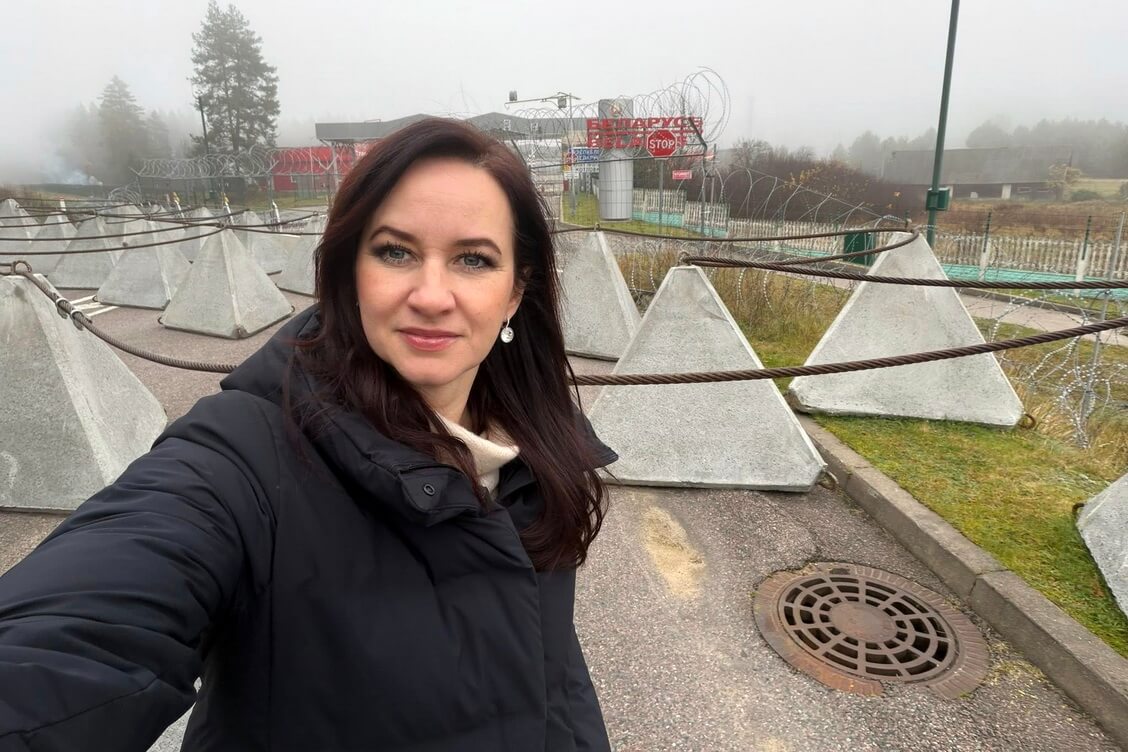
April 29, Pozirk. Following yesterday’s five-for-five prisoner exchange between Poland and Belarus, Lithuanian Prime Minister Inga Ruginienė said she intends to meet with her Polish counterpart to discuss the possibility of higher-level political contacts with Minsk, LRT reported.
She is scheduled to meet with Donald Tusk in June.
Minsk has long insisted on political-level engagement, but Lithuania has rejected direct diplomatic talks, having significantly downgraded official contacts after what it described as Belarus’ rigged 2020 presidential election.
Until recently, Vilnius viewed political negotiations with Minsk as an attempt to break the international isolation of Alaksandar Łukašenka’s regime and potentially pave the way for easing sanctions. However, after Poland successfully secured the release of several high-profile prisoners through engagement with Minsk, Lithuania now appears to be reassessing its position.
“We have our own agenda and act in accordance with our goals. We have publicly stated that we don’t see a problem in organizing such a meeting [of deputy prime ministers] if certain conditions are met,” Ruginienė was quoted as saying.
John Coale, US special envoy for Belarus, called for political-level talks between Vilnius and Minsk last month. He urged both countries’ diplomats to begin resolving existing issues and to facilitate trade with the European Union and the United States, including exports of Belarusian potash fertilizers.
Conditions for engagement with Minsk, previously outlined by Ruginienė, include long-term solutions to incursions by cigarette-smuggling weather balloons, irregular migration, and stranded trucks—the latter issue appears to have been resolved with Coale’s assistance.
Notably, Poland has recorded a sharp decline in irregular migration from Belarus since it began negotiations with Minsk.
On April 28, Minsk released and handed over to Poland journalist and Polish minority activist Andrej Pačobut (Andrzej Poczobut), as well as Polish monk Grzegorz Gaweł, as part of a five-for-five exchange at the Belarusian-Polish border.
Belarus also handed over Tomasz Bieroza, a Polish citizen sentenced to 14 years in prison on spying charges widely viewed by Belarusian human rights defenders as politically motivated.
In exchange, Poland released Aleksandr Butyagin, a Russian archaeologist arrested at Ukraine’s request over excavations in annexed Crimea. Moldova released Alexandru Bălan, a former deputy chief of Moldova’s Intelligence and Security Service, who had been sentenced earlier this month to 18 months in prison for allegedly leaking secret information related to Romania to officers of Belarus’ Committee for State Security (KGB). Poland also handed over Nina Popova, a Russian citizen.
Poland additionally freed Uładzisłaŭ Nadziejka, a former member of Paspalitaje Rušenne, an organization that provided weapons-handling and fitness training for exiled Belarusians. He was arrested in Białystok and accused by Polish investigators of spying for Belarus.
The identities of the remaining individuals exchanged have not been disclosed.