The material is available only to
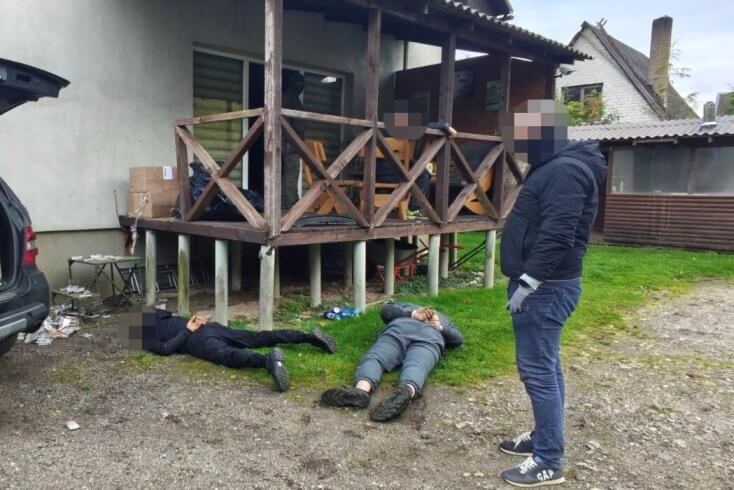
POZIRK+Lithuania arrests six over cigarette smuggling from Belarus
The material is available only to
POZIRK+
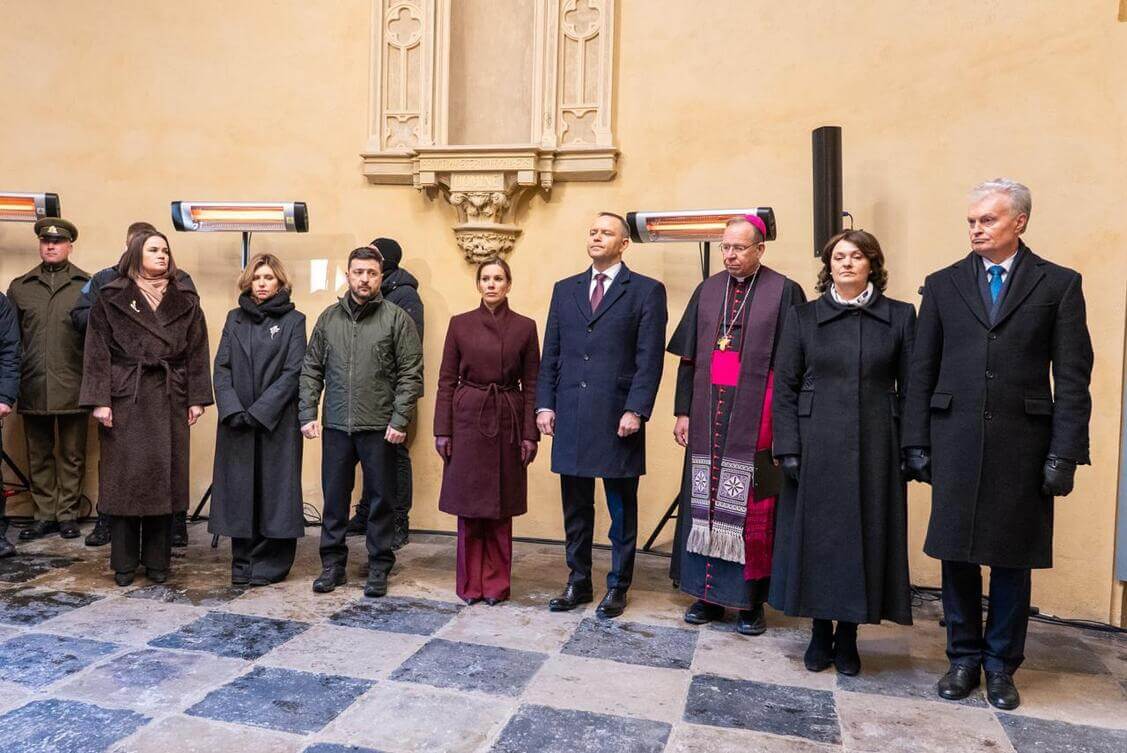
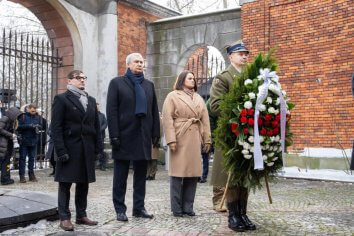
January 25, Pozirk. Top politicians from Belarus, Lithuania, Poland and Ukraine took part in a ceremony in Vilnius on January 25 marking the anniversary of the 1863 anti-Russian uprising in these lands.
The 1863 uprising took place on the territory of what is now Belarus, Lithuania, Poland and Ukraine nearly 70 years after the Russian Empire annexed these lands following the three partitions of the Polish-Lithuanian Commonwealth.
Speaking at the ceremony, Ukrainian President Volodymyr Zelensky stressed that Belarus still remains Russia’s province and that the Belarusians have yet to fight for their freedom and independence.
“So far, unfortunately, [Alaksandar] Łukašenka’s white spitz has more rights than the people of Belarus,” he said in a reference to the Belarusian ruler’s pet.
He expressed gratitude to Belarusian volunteers fighting alongside the Ukrainian Armed Forces against the Russian invasion.
Lithuanian President Gitanas Nausėda stressed that the “inherited tradition of freedom… has forever separated our nations – Lithuanians, Poles, Ukrainians, Belarusians – from Russia, which made every effort, but failed, to break down this invisible but incredibly strong wall” and expressed hope that the Belarusian pro-democracy forces will eventually win.
The participants, including Polish President Karol Nawrocki and Belarus’ opposition leader Śviatłana Cichanoŭskaja laid wreaths at the insurgents chapel in Rasy – the resting place of Zygmunt Sierakowski and Kastuś Kalinoŭski and their comrades.
Kalinoŭski, a leader of the uprising, has long been regarded as a national hero by both Belarusian nationalists and communists. However, in recent years, the government has downplayed his significance, even casting him in a negative light. This distortion has led to division in society, as many Belarusians continue to hold Kalinoŭski in high regard.
In 2019, Belarusian officials attended the reburial of Kalinoŭski’s remains in Vilnius, emphasizing his role in the struggle for Belarusian statehood and reaffirming his status as a national hero. Deputy Prime Minister Ihar Pietryšenka stressed at that event that Kalinoŭski’s rebels used the phrase “I love Belarus” as a password.
Łukašenka himself said in November 2019 that Kalinoŭski “acted on our territory, was our kin, our citizen, if I can put it this way.” However, in July 2022, Łukašenka changed his stance, labeling the 1863 uprising as Polish and anti-Belarusian, falsely claiming that peasants supported the Russian tsarist government and fought against the rebels.
His regime now views any rebellion against Russia in Belarus as Polish and anti-Belarusian.